New Policy Paper: Restoring Public Facilities While Protecting Displaced Families in Marib

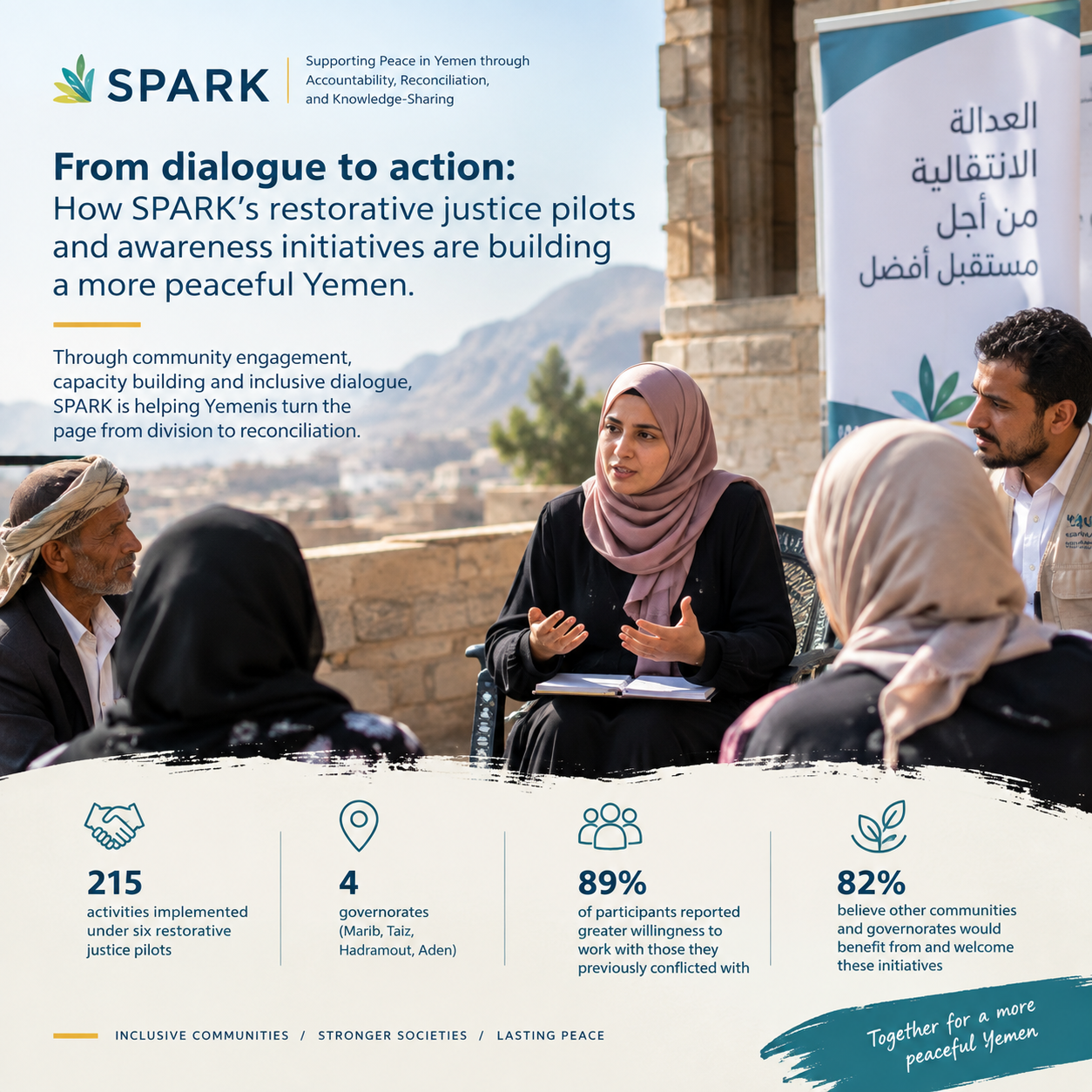
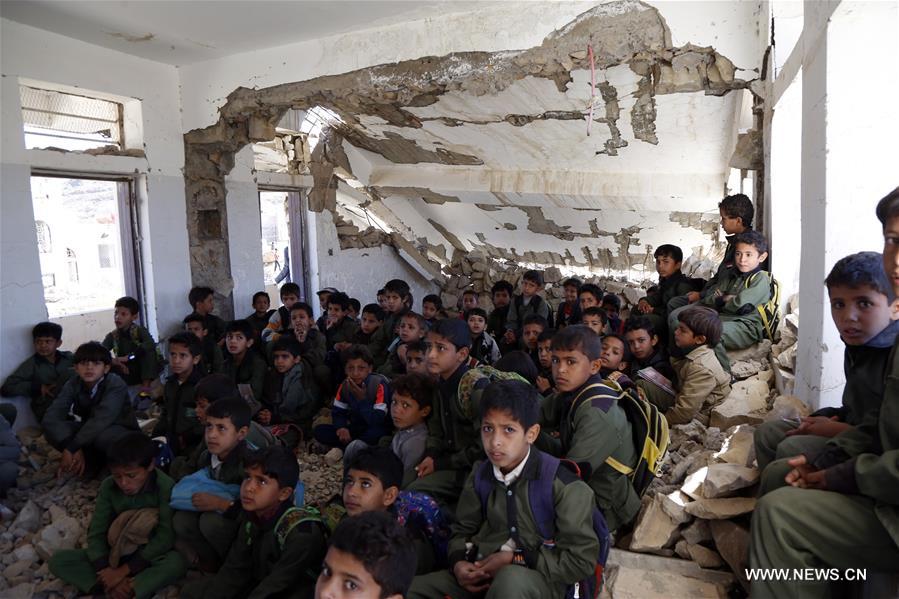
This policy paper was developed under the Supporting Peace in Yemen through Accountability, Reconciliation, and Knowledge-Sharing (SPARK) program, implemented by the Abductees’ Mothers Association (AMA) and SAM Organization for Rights and Liberties (SAM) in partnership with DT Institute. The paper examines the prolonged use of government buildings and public facilities as shelters for internally displaced persons (IDPs) in Marib Governorate, a challenge that emerged from years of conflict and large-scale displacement. Drawing on stakeholder consultations, field research, and lessons from practical interventions, it analyzes the impact of this phenomenon on public services, governance, and social cohesion. The paper proposes a restorative justice-based policy that balances the restoration of public facilities with the protection of displaced families, offering a practical roadmap for local authorities, humanitarian actors, and policymakers to achieve sustainable solutions that safeguard both public interests and human dignity.

Popular Posts

Case Study: Leveraging Documentation to Advance Accountability and Transitional Justice in Yemen

Case Study: Leveraging Documentation to Advance Accountability and Transitional Justice in Yemen

1. The Value of Documentation in Transitional Justice and to Push Forward Accountability Documentation of human rights violations and atrocities…
Case Study: Prisoner Exchanges as an Entry Point to Transitional Justice in Yemen

Case Study: Prisoner Exchanges as an Entry Point to Transitional Justice in Yemen

1. The Need for Transitional Justice in Yemen Transitional justice aims to address and reform countries with long histories of…
Lessons from Morocco: Exploring Pathways for Transitional Justice in Yemen

Lessons from Morocco: Exploring Pathways for Transitional Justice in Yemen

This report summarizes the key discussions and recommendations from the webinar, “Between Transition Management and Open Conflict: The Moroccan Experience…