
Strengthening Political Consensus on Transitional Justice in Yemen: A Practical Guide for Political Parties and Forces
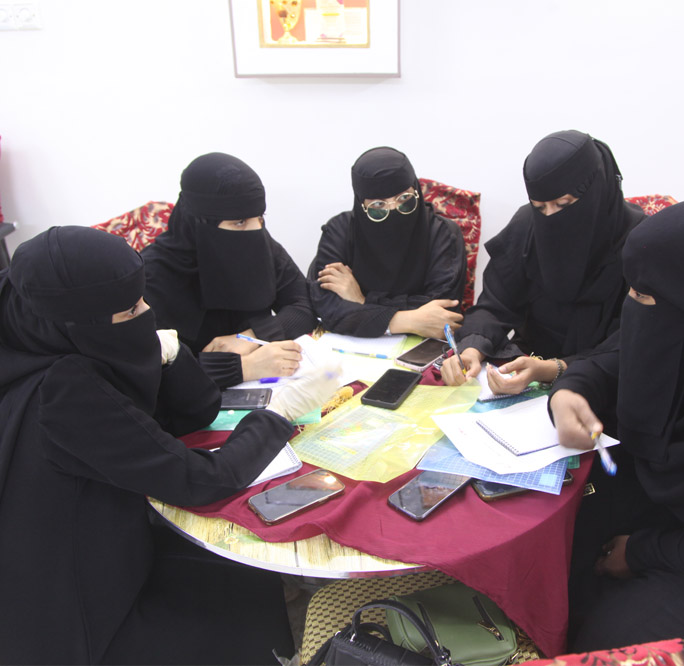
Produced under (SPARK) project, this guide provides a practical framework for strengthening the role of political actors in advancing transitional justice and supporting sustainable peace in Yemen. Drawing on consultations with political leaders, experts, and human rights advocates representing 14 political parties and forces, the guide examines political perspectives on
![August 27, 2017 -- Sabah Abdullah Salim’s children play with their friends in front of their home in Al Buraiqeh, a remote village on the outskirts of Aden, Yemen. Sabah brought her youngest son, Mohammed Ameen Salim, 2 [not pictured], to an IRC mobile health clinic in Al Buraiqeh, He was severely acutely malnourished and was treated by the IRC. The following week, Mohammed had not improved, so IRC Mobile Health Team Nutrition Assistance, Aysha Hassan Adbullah, referred him to IRC-supported Al Sadaqa Hospital in Aden where he was for 10 days before recovering. Aysha visited Mohammed every day after work to see that he was getting better. She said, “It was the first time I had seen a child so sick, and I got attached to him and his mother. I am very happy now. Without the IRC, he might have died.” Mohammed’s mother, Sabah, is grateful for the IRC. “I found him thin, always crying and not sleeping. I am so happy with the IRC’s decisions, because he was dying.” Yemen is now facing one of the worst protection and humanitarian crises, with an alarming 20.7 million people in need of some kind of humanitarian or protection support. 17 million people are also food insecure, with more than 7 million of them in need of emergency food assistance. Food insecurity has particularly impacted children. More than 2.2 million Yemeni children are malnourished, of which 80% of these children are severely.](https://justice4yemenpact.org/wp-content/uploads/2023/03/Media-Gallery-009-150x150.jpg)