
The study “Transitional Justice and Violations of Children’s Rights in Yemen” was conducted by the Yemeni Coalition for Monitoring Human Rights Violations (YCMHRV) in partnership with DT Institute under the SAFE II Program. It provides a comprehensive analysis of how Yemen’s protracted conflict has affected children and explores ways to integrate child protection into future transitional justice processes.
Drawing on legal analysis, field surveys, and institutional assessments, the study reveals a wide gap between Yemen’s legal commitments and actual practices in protecting children’s rights.
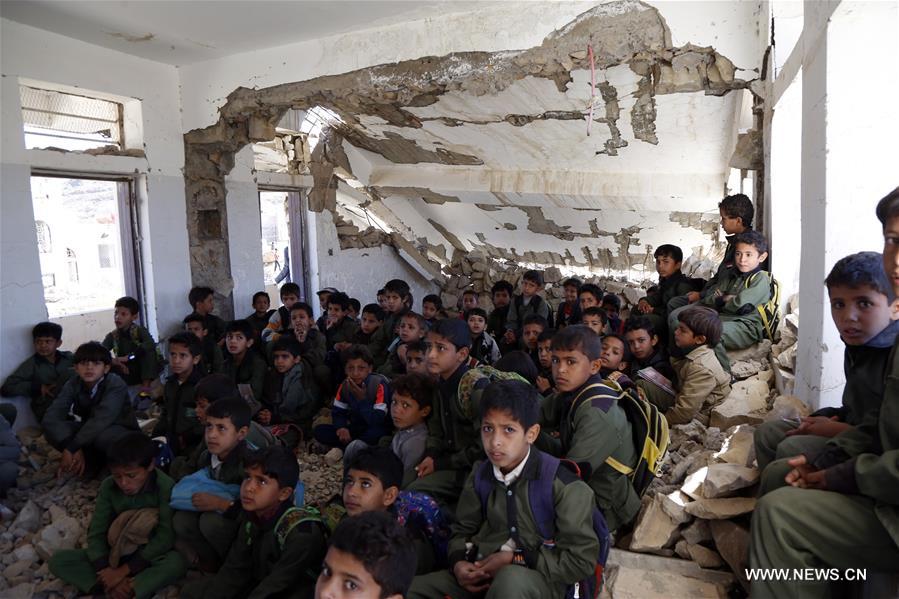
Findings show that child recruitment remains the most prevalent violation (reported by 88.7% of respondents), followed by killing and maiming (61.7%), sexual violence (51%), and attacks on schools and hospitals (50%). Nearly three-quarters (73.3%) of participants believe that the current legal framework fails to provide even the minimum level of protection for children.
The research highlights systemic weaknesses in institutional performance:
- 79.7% of respondents cited non-compliance with the Convention on the Rights of the Child.
- The absence of accountability (96.9%), weak protection mechanisms (86.8%), and poor institutional coordination (80%) were identified as primary factors sustaining violations.
- Legislative gaps—such as the lack of criminalization of child recruitment, the minimum marriage age below 15, and inconsistent juvenile protection provisions—undermine legal safeguards and perpetuate impunity.
The study finds that girls, children with disabilities, displaced and marginalized children are disproportionately affected by the conflict. Beyond immediate physical and psychological harm, the violations have long-term impacts including educational loss, chronic trauma, and re-engagement in cycles of violence, which erode social cohesion and trust within communities.
Despite these challenges, the study identifies promising local initiatives that have contributed to psychosocial support, education, and community reintegration, though they remain constrained by limited funding and institutional fragmentation.
Key Recommendations
To advance justice and durable peace, the study recommends:
- Comprehensive reform of child protection legislation, including raising the legal marriage age to 18 and explicitly criminalizing the recruitment and use of children.
- Establishing an independent national transitional justice mechanism that ensures children’s rights are central to truth-seeking, reparations, and institutional reform.
- Expanding psychosocial rehabilitation and reintegration programs for affected children and their families.
- Enhancing coordination among state institutions, civil society, and international partners to ensure a coherent national response to child protection.
- Prioritizing child-focused justice measures in peacebuilding and reconciliation agendas.
The study concludes that justice for children is inseparable from the pursuit of a just and sustainable peace in Yemen. Recognizing children as both victims and agents of change is essential to rebuilding trust, restoring dignity, and laying the foundations for a peaceful and equitable future.
Read Full Study: