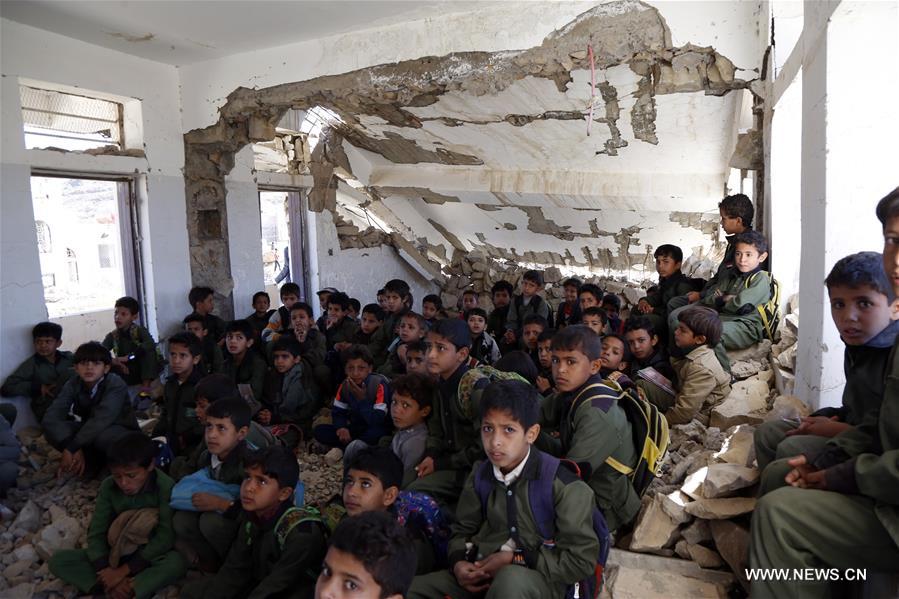
“Targeted Childhood” is a first-of-its-kind field study by the Yemeni Coalition for Monitoring Human Rights Violations (YCMHRV), implemented under the SAFE II program with support from DT Institute. The study examines how Yemen’s children are subjected not only to single grave violations but to repeated and interconnected cycles of abuse throughout the conflict.
Covering 57 child-protection professionals across Aden, Hodeidah, Taiz, Marib, and Dhamar, and 82 documented cases from 13 governorates, the study reveals that children often suffer multiple violations, either simultaneously or sequentially — a pattern the study refers to as compound violations.
Key Findings
- Forced recruitment is the most widespread and often the entry point leading to other violations such as killing, detention, sexual violence, and denial of humanitarian aid.
- Children may face violations within hours, days, or weeks, while others experience cycles of abuse spread over months or more than a year.
- Most vulnerable groups include: internally displaced children, girls, the Muhamasheen, children with disabilities, and those in poverty.
- Reporting remains extremely low (84%) due to fear of retaliation, lack of awareness, distrust of justice systems, and family pressure.
- Perpetrators include all conflict actors, with Ansar Allah (Houthis) identified by respondents as the most frequent violators.
- Psychological trauma is the most severe and common impact, alongside school dropout, aggression, addiction, early marriage, displacement, and increased risk of suicide.
- State and civil society responses are largely viewed as weak or absent due to limited resources, insecurity, and lack of systematic documentation tools.
Recommendations
The study calls for:
- Strengthening documentation systems to record sequential violations.
- Safe, accessible reporting channels for children and families.
- Integrating psychosocial experts into investigation teams.
- Expanding protection programs to marginalized and rural communities.
- Establishing specialized government units on child violations.
- Creating a national database and National Child-Rights Violations Observatory to consolidate evidence and inform policy reform.
- Increased donor support for direct victim assistance and long-term reintegration.