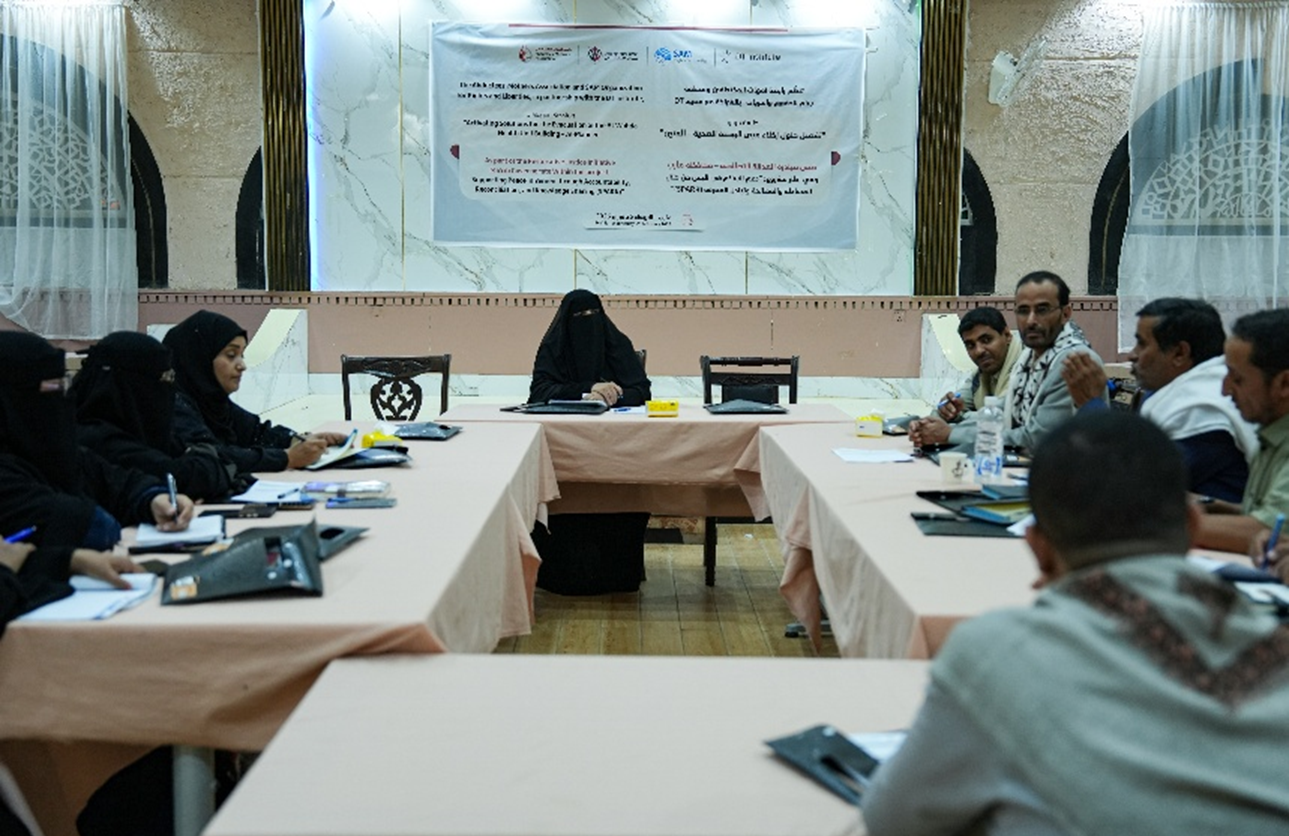
This policy paper, developed under the Supporting Peace in Yemen through Accountability, Reconciliation, and Knowledge-Sharing (SPARK) program, and implemented by the DT Institute in partnership with the SAM Organization for Rights and Liberties and the Abductees’ Mothers Association (AMA), examines the conflict in Al-Sarari village in Taiz as a microcosm of Yemen’s wider war. It shows how local disputes over identity, resources, and historical grievances were escalated by state fragility and national-level militarization. Based on qualitative field research, it highlights the severe human, social, and economic impacts of the conflict, including displacement, destruction of infrastructure, and deep social fragmentation. The paper argues that sustainable peace cannot be imposed from above, but must be built through community-led restorative justice approaches, and it proposes a practical roadmap combining immediate recovery, rebuilding social cohesion, and long-term development to prevent conflict recurrence.