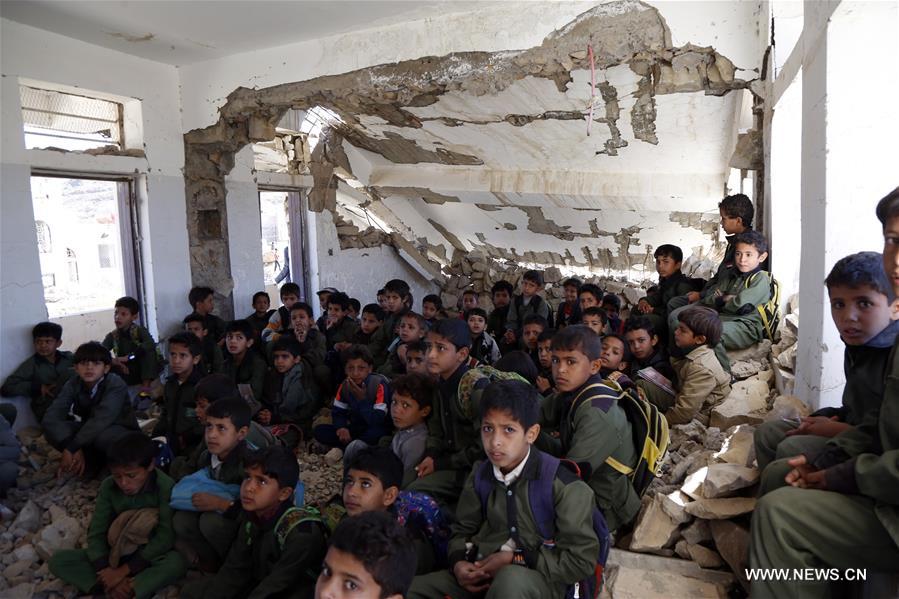
In Taiz, the seizure of private homes and public buildings stands as one of the most entrenched and overlooked legacies of Yemen’s conflict—a violation that has quietly reshaped the social contract between citizens and the state. Since 2015, war has not only destroyed nearly 78% of the city’s housing but has also normalized the occupation of civilian property by armed actors, with hundreds of homes still under illegal control despite court orders and official directives. This is not simply a housing crisis; it is a layered failure of governance, accountability, and justice, where displacement becomes prolonged, property rights are negotiated under coercion, and impunity is reinforced through fragmented institutional responses and short-term fixes. By treating these cases as isolated disputes, current approaches ignore their true nature as conflict-related violations that sit at the heart of transitional justice, reparations, and recovery. Left unaddressed, this issue risks deepening social fractures, eroding public trust, and embedding grievance into the post-war reality.
Produced as part of the Support for Peace in Yemen through Accountability, Reconciliation, and Knowledge Exchange (SPARK) project—supported by the DT Institute and implemented in partnership with the SAM Organization for Rights and Liberties and the Abductees’ Mothers Association—this paper reframes the issue as a critical entry point for rebuilding rule of law, restoring rights, and advancing a more credible pathway toward peace in Taiz.