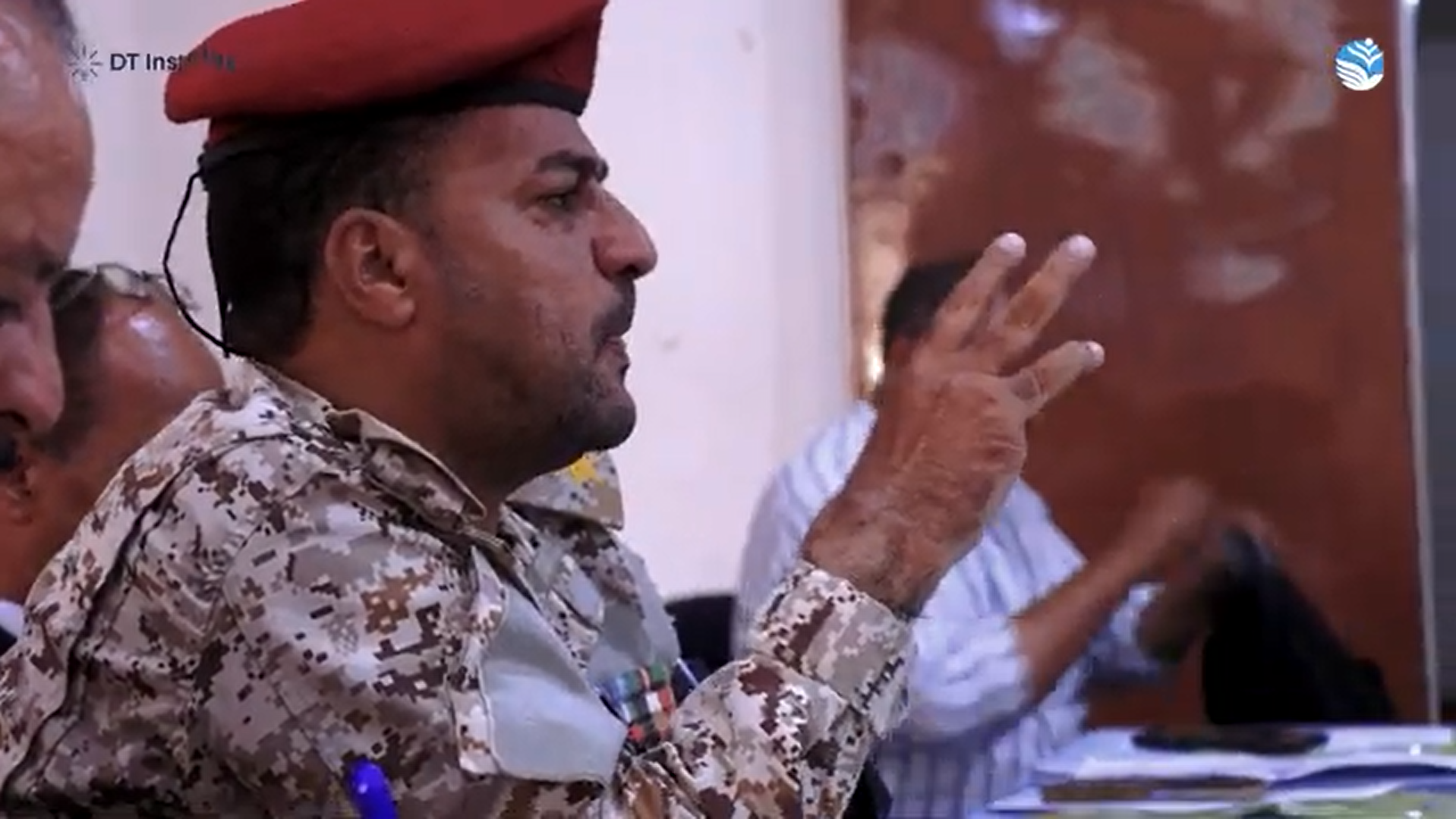
A new study—implemented by DT Institute in partnership with SAM for rights and liberties and the Abductees’ Mothers Association (AMA) under the SPARK project—explores how Yemen can draw practical lessons from Rwanda’s post-genocide recovery to shape its own path toward justice and reconciliation.
While Yemen’s conflict is political and fragmented, and Rwanda’s rooted in ethnic violence, the research shows that Yemen can still benefit from Rwanda’s community-driven approach to healing. Rwanda’s blend of international trials, national courts, and the grassroots Gacaca process created space for truth-telling, reparations, and social repair.
The study argues that Yemen’s strong tribal customs offer similar potential for local reconciliation, property restitution, and victim-centered remedies—especially as national institutions remain weak. Ultimately, it concludes that transitional justice in Yemen must be built from the ground up and anchored in a future political settlement that prioritizes victims, preserves memory, and strengthens institutions capable of sustaining peace.